Tara Roberts
This is my take on the Classification Project. Click the tabs below to see each kingdoms description!
archaebacteria
Archaebacteria are anaerobic, aswell as aerobic prokaryotes. They are bacteria that have adapted to extreme conditions, for example, volcanoes, deep oceans, etc. They do not need oxygen or light to survive. Archaebacteria can be heterotrophic and autotrophic. They are unicellular and have a cell wall like eubacteria. They belong to the Archaea domain, where archaebacteria make up the entirety of said domain, because they are so complex. The three major known groups of archaebacteria are methanogens, halophiles, and thermophiles. Methanogens are methane-producing bacterium, halophiles are bacterium that tolerate or grow in saline conditions, and thermophiles are bacterium that tolerate or grow best in extremely high temperatures. Archaebacteria do not have a nucleus or other membrane-bound organelles, they have a coiled ring of DNA, and the cytoplasm contains RNA and other substances the cell needs.
eubacteria
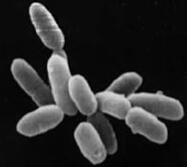
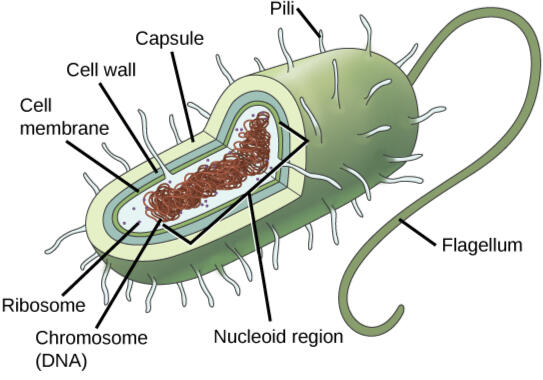
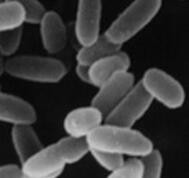
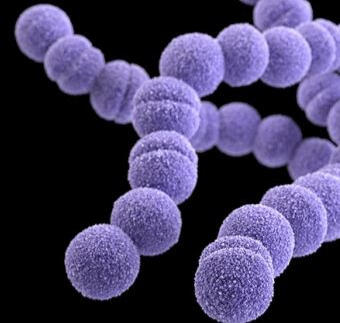
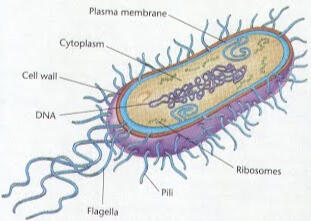
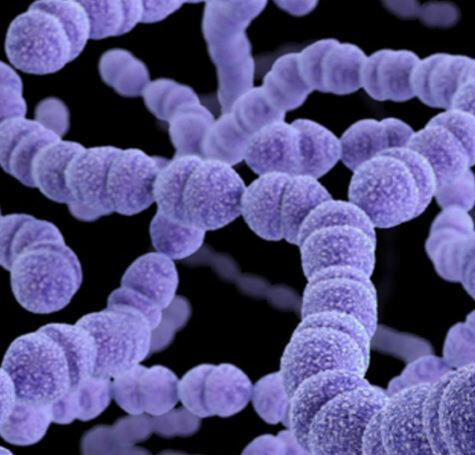
Eubacteria are unicellular prokaryotes. They can be autotrophic or heterotrophic, and have a cell wall. They are apart of the Bacteria domain, and are quite literally all around us. Some eubacteria is helpful, while some is harmful. Eubacteria comes in three types, the spirilla, bacilli, and cocci. Cocci is spherical, bacilli is rod shaped, and spirilla have a corkscrew shape. Eubacteria have flagella all over them which helps them move around. They have neucleoid that stores the DNA. It has a cell membrane, cell wall, cell capsule that protects it.
protists
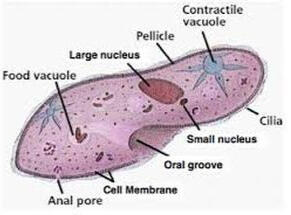
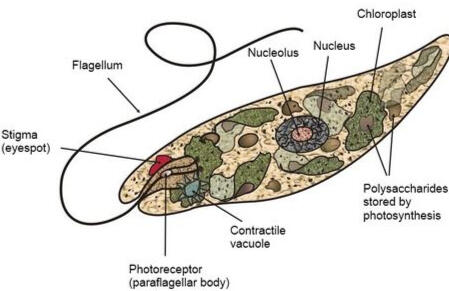
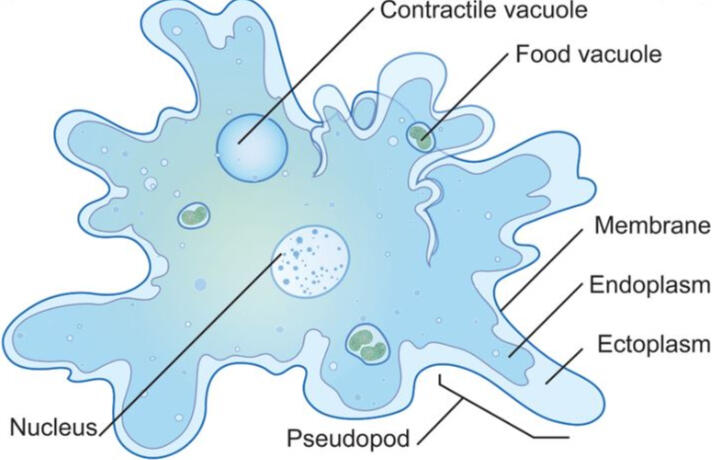
Protists are eukaroytic, and primarily multicellular. Some have cell walls, and some don't. They can be heterotrophic or autotrophic, and belong to the Eukarya domain. Protists are a unique kingdom. Some are animal-like, some are plant-like, and some are fungus-like. Because of this, the structure of protists can vary. Animal-like protists use flagella, cicila, or psuedopods to move around in order to get food into the oral cavity. Plant-like protists have chloroplasts to photosynthesize in order to get food. Fungus-like protists are mainly decomposers. They have cell walls made up of cellulose and chitin, and use spores for reproduction. All protists prefer to be in an underwater environment.
fungi
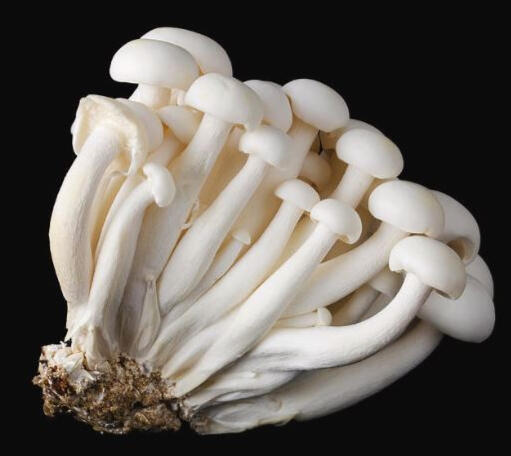
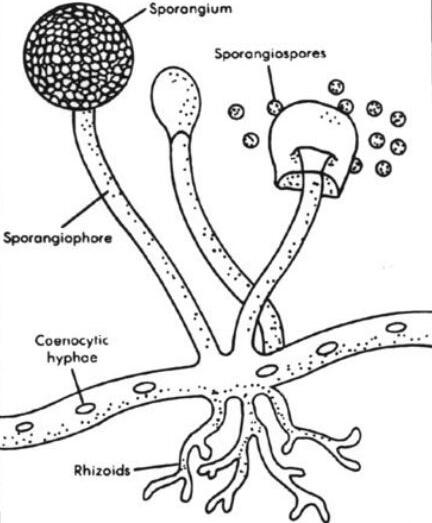
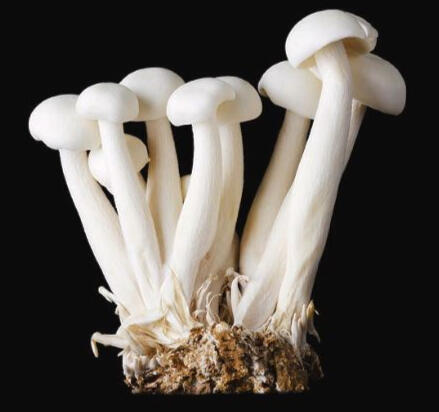
Fungi are multicellular eukaryotes. They are heterotrophic decomposers witha cell wall. They belong to the Eukarya domain. Fungi looks plant-like, however they actually more closely related to the animal kingdom. They don't photosynthesize like plants do. There are yeasts, molds, mushrooms, toadstools, etc. There is one exception to the generally multicellular kingdom of fungi, which is bakers yeast, a unicellular yeast. Fungi have rhizoids which act as roots, hyphae which are responsible for absorption of food and reproduction, and sporangium and sporangiospores. Sporangium releases haploid spores.
plants
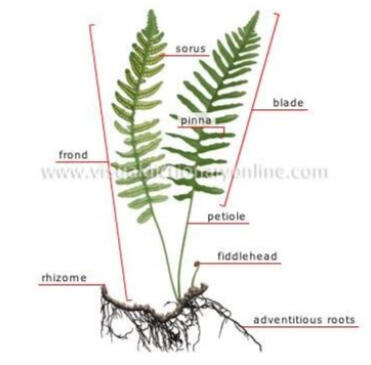
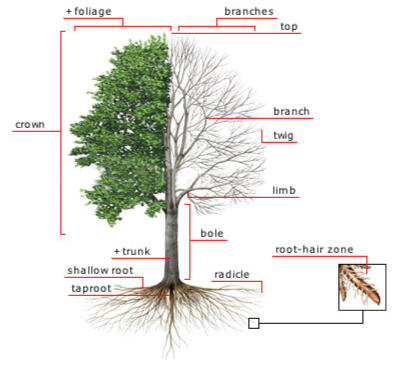
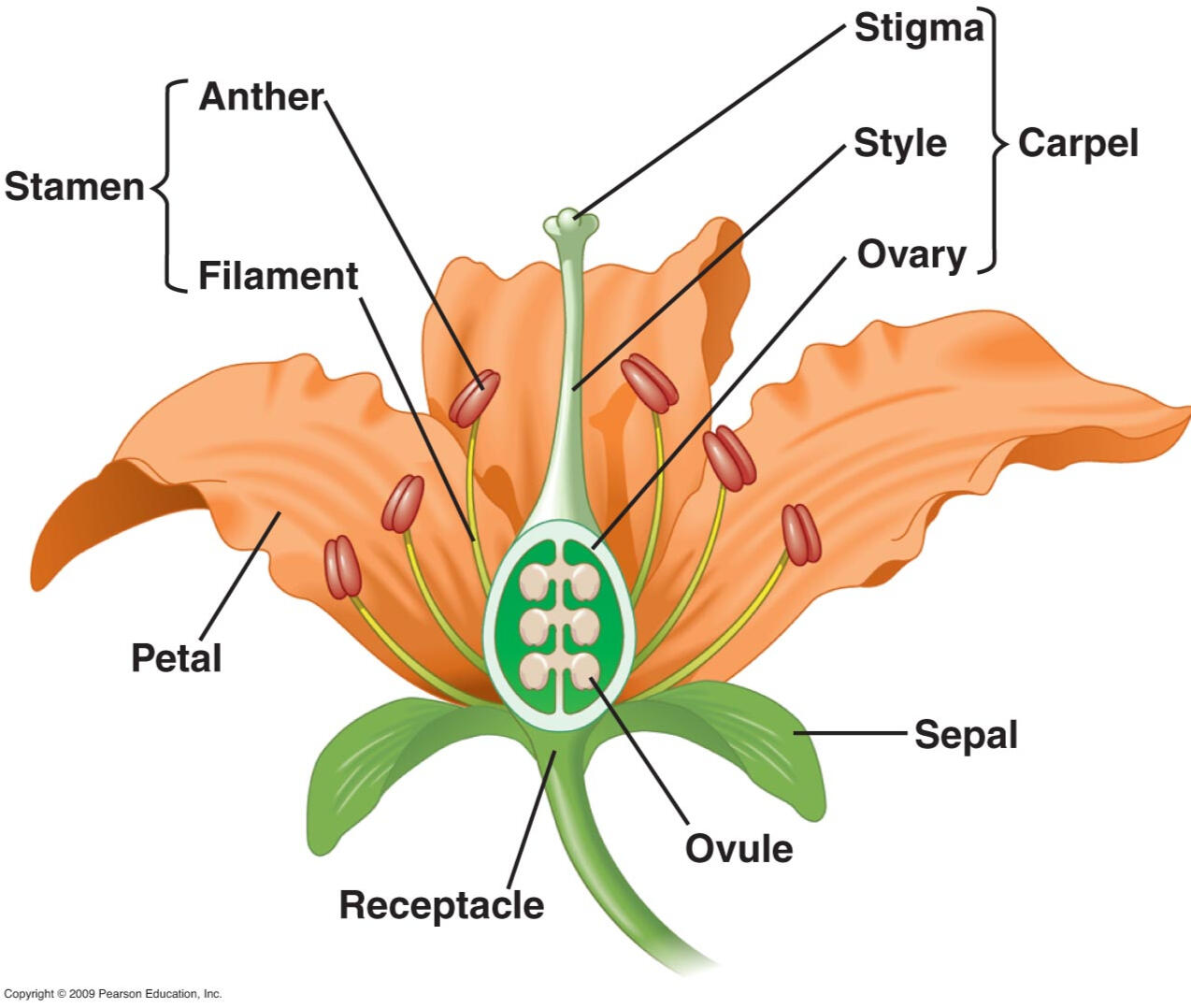
Plants are eukaryotic, multicellular autotrophs. They belong to the Eukarya kingdom, and do have a cell wall. There are three types of plants. Vascular seedless, which are like normal plants, except they do not have seeds, such as ferns. In order to reproduce, they use spores rather than seeds. They have vascular tissue like the xylem and phoelem, which sucks up water through the roots and helps bring glucose to the plants cells. Vascular non-flowering are plants like pine trees. They are usually woody and have strong cell walls that allow them to grow thicker and taller. Angiosperms are flowering plants that have petals, sepals, the stamen, and the pistil. The stamen and pistil work together to reproduce. The petals are colorful, which attracts pollinators. Plants can be found anywhere and everywhere. They have been cross-bred to produce more appealing plants, and bigger and better fruits.
animals
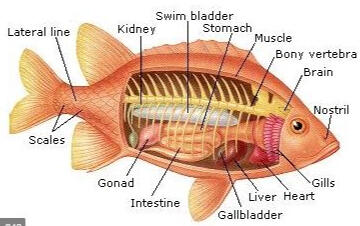
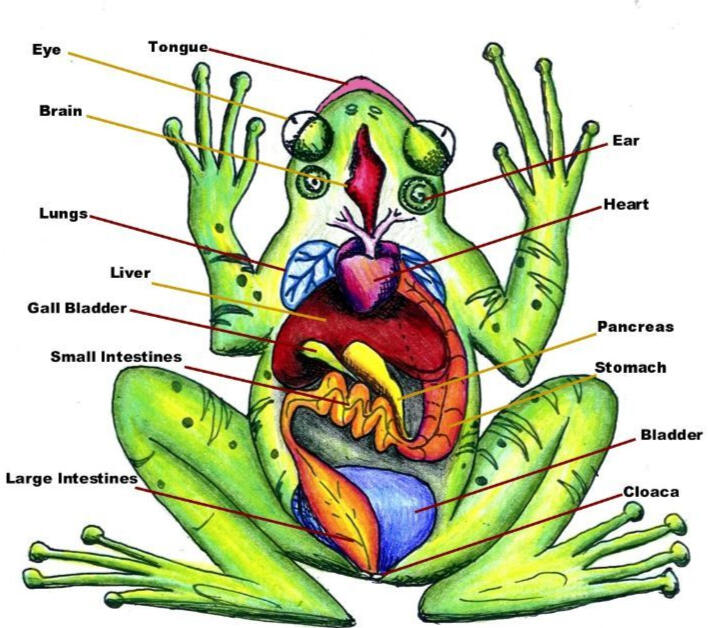
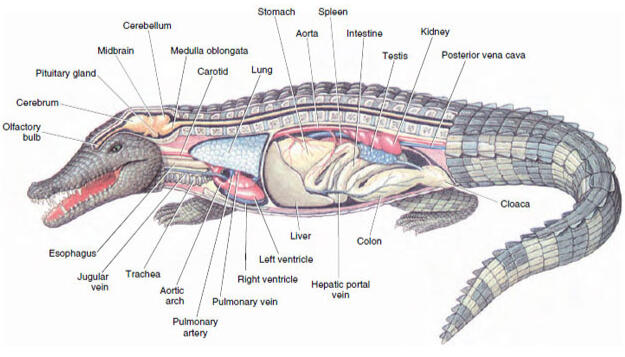
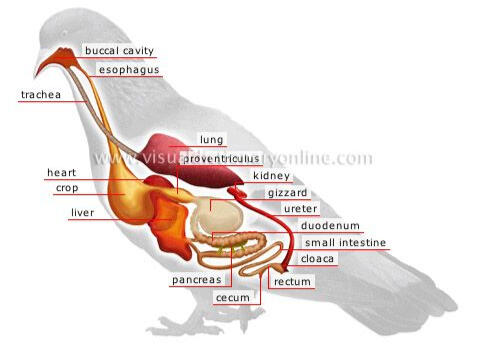
Animals are eukaroytic, multicellular heterotrophs that do not have a cell wall. They are apart of the Eukarya domain. There are five types of animals. Fish, who are ectotherms with two heart chambers, and use gills to breathe rather than lungs, and who lay eggs. Amphibians, which are ectotherms with three heart chambers, only breathe with gills in their first stage of life, lay eggs. Reptiles, ectotherms with three heart chambers who lay amniotic eggs. Birds, endotherms who have four heart chambers and lay amniotic eggs. And finally, mammals, endotherms with four heart chambers that have live births. The animal kingdom is the biggest kingdom with over a million species. Some animals are invertabrates without backbones, and some are vertabrates with backbones. Humans are verabrates.